








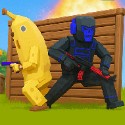



Unteralterbach



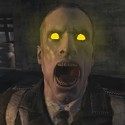





In Unteralterbach you start with three items to put on and exactly one correct order to put them on in, which matters a lot more than it should for what looks like a simple dressing task. Get the sequence wrong, and the game does not just make you start over — it makes the mistake visible in a way that stings a little.
Unteralterbach Is a Puzzle About Sequence, Not Speed
Movement uses simple arrow-key controls, with a single button handling both picking up and setting down each clothing item. The actual puzzle is entirely about order: shoes, then a lower garment, then a top, has to happen in that specific sequence, and grabbing the wrong item at the wrong stage forces a visible correction rather than a quiet do-over. That visibility is part of what makes Unteralterbach read more like a puzzle game than a dressing simulator — the sequence constraint is the whole mechanic, not flavor text around a checklist.
A wandering figure moves through the same space and actively interferes with a clean attempt at the sequence, adding a timing pressure that a pure step-by-step puzzle would not otherwise have. Learning that figure's movement pattern turns out to matter as much as learning the clothing order itself, since a perfectly planned sequence can still fall apart if the timing runs into an inconvenient pass-by.
What a Restart Actually Costs You in Unteralterbach
A restart option exists for players who want to reset a run cleanly rather than fight through a botched sequence, and a separate viewing mode lets you review a completed attempt without touching the controls. Beginners tend to avoid using the restart option out of a sense that finishing badly still counts as finishing, but a clean restart after an early mistake in the sequence is consistently faster than trying to recover mid-attempt once the order has already been broken.
The full loop, done properly, takes roughly an hour to work through from a cold start to a clean run, which puts Unteralterbach closer to a focused single-session puzzle than a game meant to be revisited constantly.
Does the wandering figure follow a fixed path? The movement pattern is consistent enough to learn across attempts, which is what makes memorization a viable strategy rather than pure luck. Is there a penalty beyond restarting for getting the order wrong? The main cost is the visible correction and lost time, rather than any permanent failure state, so a mistake early in a run is recoverable if caught quickly.
Unteralterbach turns a three-item dressing sequence into a genuine puzzle by adding just enough timing pressure from the wandering figure to make memorizing the correct order feel like an accomplishment rather than a formality.