












A Nostalgic Hangout Game



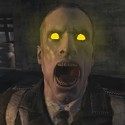






A Nostalgic Hangout Game opens on something that looks deceptively cozy: a warehouse job, a night shift, a stack of delivery orders waiting to be sorted. It takes only a few minutes for the phone on the wall to ring with something that does not sound like a normal customer, and that is the moment the game quietly stops being a job simulator.
A Nostalgic Hangout Game: A Routine Job That Refuses to Stay Routine
The core loop asks you to manage delivery orders, answer the phone when it rings, and move through the warehouse's basement and kitchen areas as tasks demand it. None of these individual actions look threatening on paper, and that is deliberate — the horror in A Nostalgic Hangout Game comes from the gap between how mundane each task sounds and how wrong the atmosphere around them starts to feel once a shift runs long.
Unusual drivers show up at the loading dock as the night goes on, and unexpected visitors appear in spaces that were empty minutes earlier. The game never explains these intrusions outright, which pushes the tension toward the phone calls and the environment itself rather than any one scripted jump scare doing all the work.
Basic interaction runs on a simple two-button scheme — move to reach an object, interact to use it — and that simplicity keeps the horror grounded in what you can see and hear rather than in complicated systems. A crowbar tucked away near the loading area and a microwave in the kitchen both serve mundane in-game purposes early on, which makes their later relevance land harder once the shift's tone shifts.
What Makes the Phone Calls Different From a Normal Jump Scare
Most horror games front-load a loud scare to establish tone immediately. A Nostalgic Hangout Game does the opposite — the early phone calls sound almost normal, just slightly off in a way that is hard to pin down on a first shift. That slow escalation is the detail players discuss most often, since it means the game earns its later tension instead of relying on volume alone.
New players tend to rush through delivery tasks to get the shift over with quickly, which actually increases exposure to triggers rather than avoiding them. Moving deliberately and paying attention to what changes in the environment between tasks is the more effective approach, even though it runs against the instinct to finish the job fast.
An Honest Note on A Nostalgic Hangout Game's Rough Edges
The game is not polished in every corner — some players run into overlapping on-screen text or an NPC that behaves inconsistently between shifts, and those rough edges are a fair thing to go in expecting rather than a total surprise. None of it undermines the core tension of the phone calls and the unexplained visitors, but it is worth knowing the experience is a smaller, rougher production rather than a big-budget horror release.
Should I expect combat of any kind? No — there is nothing resembling a fight system here, and every threat is handled through avoidance, observation, and deciding when to keep working versus when to stop and check what changed. Is one shift representative of the whole experience? Later shifts escalate the frequency of unusual drivers and visitors, so an early shift undersells how unsettling the game gets once the pattern is established.
A Nostalgic Hangout Game succeeds by trusting silence and mundane detail over spectacle — the crowbar by the loading dock and the microwave in the kitchen stay ordinary right up until they are not, and that patience is what separates it from horror games that show their hand too early.