










Horror Games



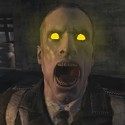


Horror Games cover everything from slow, uneasy stories to sudden scares that make you flinch. This page explains how the category works, what separates one style from another, and how to choose a title that matches your tolerance.
Fear Built From Small Details
The best horror entries rarely rely on a single loud moment. They build tension through sound, pacing, and information you do not have yet. A room that is too quiet or a character who says one line wrong can do more than any jump scare.
When you start a title from Horror Games, pay attention to what the game withholds. The gap between what you see and what you understand is where most of the unease comes from.
Psychological Horror and Moral Pressure
Some titles in this category never show a monster. Instead they put you in a position where a choice feels wrong even though the game encourages it. BLOODMONEY: Requiem is a clear example: a reward loop that pays more as it asks for more, with the discomfort coming from your own decisions.
This style suits players who like to think about a story after it ends. The scares are quiet, and the lasting effect comes from questions the game leaves open.
Jump Scares and Survival Pressure
Other entries in Horror Games use direct threats: something follows you, a timer runs, or resources run low. The tension is physical, with quick reactions and careful movement as the main skills.
- Learn the layout early, since panic makes unfamiliar spaces harder.
- Listen for audio cues, which often warn you before a threat appears.
- Save resources for moments that need them.
- Stop and breathe if a section feels overwhelming.
These habits help even when the scares are effective, and they make longer sessions more comfortable.
Choosing a Level of Intensity
Horror is personal. A title that one player finds mild can be too much for another, so it helps to choose deliberately. Look at the description for tone, then try the first few minutes before you commit to a full run.
If you are new to the genre, start with entries that focus on atmosphere over shock. If you want more, move toward faster, more aggressive titles once you know how you react.
Playing with lights on, or with a friend nearby, is a normal way to adjust intensity. Nothing about the genre requires you to play in the dark.
Reading the Story Behind the Scares
Many horror titles tell their story through small pieces: notes, dialogue, objects, and changes in the setting. Following these details makes the ending land harder, and it gives a second playthrough more meaning.
Keep a mental list of names and places. Horror stories often reuse them near the end, and noticing a repeated detail is one of the genre's quiet pleasures.
Sharing Reactions With Other Players
Horror games are fun to discuss. Comparing which moment unsettled you most, or which ending you reached, gives you a fresh view of the same title. Players often disagree about what was scary and why, and that disagreement is part of the appeal.
If you write your own notes, record the moment you first felt uneasy. It is usually earlier than you remember, and it shows how the game built the mood.
How Horror Games Use Sound and Silence
Audio carries much of the fear in Horror Games. A game can raise tension with a low hum, a distant footstep, or the sudden absence of any noise. Playing with headphones makes these cues clearer, though it also makes the game more intense, so adjust the volume to a level you can handle.
Silence matters as well. When a horror game goes quiet, you start listening for what might be there, and that anticipation is often stronger than the event itself. This is one reason Horror Games remain popular even when the visuals are simple.
Why Some Players Love Horror Games
The appeal of Horror Games is a controlled kind of fear. You know the game cannot hurt you, and that safety lets you enjoy the tension. Many players find that finishing a hard horror game leaves them with a sense of relief and a story to tell.
Horror also invites strong reactions to choices. A game that asks you to do something uncomfortable makes you think about your limits, and Horror Games of this type are often the ones people remember longest.
If you are curious but cautious, treat Horror Games as a gradual path. Start with atmospheric titles, then try a more direct game once you know what you can handle.
A practical point about difficulty: a horror game can be hard because of its systems or because of its mood, and the two feel different. Some players cope well with a demanding game but struggle with a heavy atmosphere, so read a game's description with that difference in mind. Taking a break between scenes is a normal part of playing any horror game, and it lets you finish the story on your own terms.
Building a Horror Rotation
Alternate between heavy and light titles so the genre stays enjoyable. A tense session followed by a calm puzzle or a slow adventure gives you room to reset.
Come back to the Horror Games page when you want a new entry. Each title offers a different kind of fear, and trying several will show you which style fits you best.