



Lovecraft Locker 2
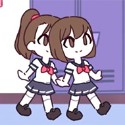




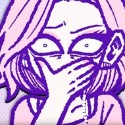
Lovecraft Locker 2 looks like it should open with monsters. Instead it opens with a letter, tucked away somewhere easy to miss, and the choice to read it or leave it alone is the first real decision the game asks you to make.
Lovecraft Locker 2 Tells Its Story Through What You Avoid
The narrative centers on a hidden letter that surfaces a passion the protagonist had buried, and the choices that follow are framed around one central question: what would you actually do differently if you had a real chance to avoid a disaster you saw coming? That framing keeps Lovecraft Locker 2 closer to interactive fiction than to a traditional branching-choice game, since the weight sits on a handful of meaningful decisions rather than a long list of minor ones.
Presentation leans on still and lightly animated imagery paired with sound design rather than active gameplay systems, which puts almost all of the game's impact on pacing and writing. A slower reading pace tends to reward players here more than rushing through dialogue to reach the next choice point, since several of the later decisions only land emotionally if the earlier setup was actually absorbed rather than skimmed.
Why Early Choices in Lovecraft Locker 2 Matter More Than They Look
Players who have spent time with Lovecraft Locker 2 consistently point out that the game rarely flags a decision as important in the moment. A choice that reads as minor early on can quietly reshape how a later scene plays out, and that lack of obvious signposting is intentional — the game wants the eventual consequences to feel like they crept up on you rather than being telegraphed in advance.
New players tend to treat the early scenes as filler before the "real" story starts, skimming through dialogue to reach what feels like the main event. That habit works against the structure here, since the slice-of-life groundwork in the opening stretch is exactly what makes the disaster-avoidance choices carry any weight later.
- Is Lovecraft Locker 2 more about reading or about making choices? Both carry roughly equal weight, since the story's impact depends on choices that only make sense in light of dialogue players are tempted to skim.
- Do early decisions actually change the ending? Yes, though rarely in an obvious way — the game favors quiet consequence over clearly flagged branching paths.
- Is there a combat or action layer beneath the narrative? No — the entire experience runs on reading, choosing, and absorbing pacing rather than any reflex-based system.
Lovecraft Locker 2 asks for patience rather than reflexes, and the letter that opens the story ends up mattering less as an object than as the first proof that this is a game built around consequences you only recognize once they have already happened.