












Simulation Games









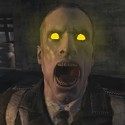
Simulation Games let you run a system on your own terms: manage a place, care for a character, or repeat a task until you understand how it works. This page explains what draws people to the category and how to get more out of it.
Systems You Can Learn and Bend
A simulation is built from rules that stay consistent. You learn how the rules connect, then use them to reach a goal. The pleasure comes from seeing your plan work and from finding out why it did not.
Most Simulation Games start slowly, with only a few actions available. As you learn the rules, more options appear, and the range of possible plans grows with your understanding.
Management, Care and Routine
The category covers several kinds of play. Some titles ask you to manage resources, others to look after a person or a pet, and others to repeat a routine until it becomes efficient.
- Management titles reward planning and balancing income against costs.
- Care titles ask you to respond to needs and notice changes in mood.
- Routine titles reward speed, accuracy, and small improvements over time.
Choose the style that matches what you enjoy, since the skills differ from one to the next.
Idle and Clicker Loops
A large part of Simulation Games uses a click-and-upgrade loop. You perform a simple action, earn a reward, and spend it on something that improves the next round. The mechanic is easy to learn and hard to put down.
The loop can carry a story as well. BLOODMONEY: Requiem uses this structure to ask what you are willing to do for a target amount, which shows that a clicker can be more than a numbers exercise.
Making Good Decisions Early
The first minutes of any simulation shape the rest of the session. Spend time learning what each action does before committing resources, and avoid buying the first upgrade you see.
Compare the cost of an upgrade with what it returns. If the payback is long, wait until you have more income. If it is short, buy it right away and let it compound.
Keep an eye on the game's feedback. Numbers, sounds, and character reactions often tell you whether a decision is working before the final result does.
Choices That Carry Weight
Simulation Games can include moral or emotional decisions. When a system rewards a choice that feels wrong, the game is asking you to think about your own priorities.
These moments are what separate a memorable simulation from a routine one. Consider each decision before you make it, and notice how you feel about it afterward.
Setting Goals for a Session
A clear goal keeps a session productive. It can be a target amount, a milestone, or an ending you want to see. Without one, it is easy to click for an hour and feel that nothing changed.
- Pick one measurable target before you start.
- Check your progress at set intervals, such as every ten minutes.
- Stop when the target is reached, even if the loop invites more.
This approach keeps play enjoyable and gives each session a clear finish.
Why Simulation Games Feel Rewarding
Simulation Games reward attention. Each small decision changes the state of the game, and seeing the result build over time is the core pleasure. A good simulation game lets you notice progress even in a short session.
The feedback is also honest. If a plan in a simulation game fails, the reason is usually visible in the numbers or the characters' reactions. That makes Simulation Games a good place to practice planning, since mistakes teach you something specific.
Finding Your Style in Simulation Games
Some players like a simulation game that is calm and slow, while others want constant pressure. Simulation Games cover both, and the description on each card usually tells you which one you are getting.
If you enjoy stories, look for a simulation game where the systems are tied to characters. If you enjoy optimization, pick one built around numbers and upgrades. Simulation Games with a clear goal are easier to start, and a game with open-ended play suits longer sessions.
Whichever you choose, give a simulation game at least two sessions. The early minutes often feel slow, and the systems in Simulation Games show their depth only after you have learned what each action does.
A final habit is to review a session when it ends. Ask what the game rewarded, what it punished, and which decision changed the most. Notes like these make the next game session sharper, and they help you see how one simulation game differs from another. Over time you will read a new game faster and spot weak plans before they cost you, which makes each later session more relaxed and more productive.
Exploring the Rest of the Catalog
Once you know which type of simulation you prefer, use the Simulation Games page to compare entries. Try a few, watch how each handles pacing and rewards, and keep the ones that fit your routine.